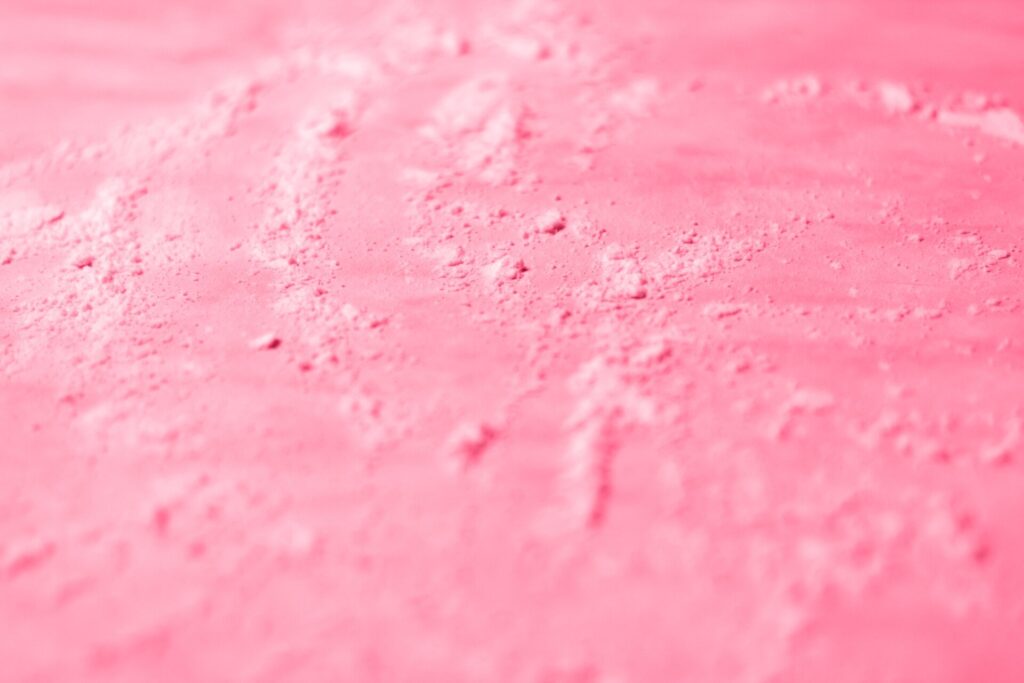
Why Is Pink Beach Komodo Pink? The Science Behind the Color
The Two Pigment Sources
1. Red Organ-Pipe Coral (Tubipora musica)
Tubipora musica is a soft coral with a distinctive crimson skeleton made of fused calcium-carbonate tubes. The coral grows on reef slopes around Komodo Island in dense colonies. Wave action and parrotfish grazing constantly break tube fragments off the live colonies. The red shards drift toward shore and accumulate in the protected bay at Pantai Merah.
- Class: Anthozoa, Order: Alcyonacea (soft corals)
- Skeleton color: bright crimson to deep red
- Habitat: shallow tropical reefs, 2–20 m depth
- Color contribution to sand: ~40–50%
2. Foraminifera (Homotrema rubrum)
Foraminifera (“forams”) are single-celled marine protists that build elaborate calcium-carbonate shells. The species responsible for the pink color at Pantai Merah is Homotrema rubrum, which produces a vivid blood-red shell pigmented with iron compounds. Forams live attached to coral rubble and the underside of reef ledges. When they die, their tiny shells (0.3–2 mm) are washed onto the beach by tides.
- Phylum: Foraminifera (single-celled protists)
- Shell color: deep red to maroon
- Shell size: 0.3–2 mm (visible under magnifying glass)
- Color contribution to sand: ~30–40%
- Other famous foram-pink beaches: Pink Sands Beach (Bahamas), Horseshoe Bay (Bermuda)
How the Pink Color Develops Throughout the Day
The pink hue is not constant. It changes dramatically with tide, light angle, and moisture content of the sand:
| Time of day | Color intensity | Why |
|---|---|---|
| 06:30–08:30 | ★★★★★ Vivid pink | Low slanting light + wet sand + low tide |
| 10:00–14:00 | ★★ Pale pink-white | Harsh overhead sun washes out red wavelengths |
| 15:30–17:00 | ★★★★★ Deepest pink | Golden hour + descending tide exposes wet pink layer |
| 17:30+ | ★★★ Magenta wash | Sunset light tints everything |
Cloud cover deepens contrast and saturates colors. Full direct sun sharpens definition but reduces apparent saturation. The most-photographed shots come from light cloud + low tide + golden hour.
Common Misconceptions Debunked
False. No algae or plant matter contributes to the color. It is purely from animal-origin calcium carbonate.
False. The pink is real and verifiable to the naked eye, especially at golden hour. Many Instagram photos are filtered, but the natural color is genuinely visible.
Mostly false. Midday tropical sun washes the red wavelengths. To see vivid pink, visit at golden hour.
False. Pantai Merah is one specific 250 m bay. The rest of Komodo Island has standard tan or white beaches.
Scientific References
- Tubipora musica (Wikipedia)
- Foraminifera (Wikipedia)
- Komodo National Park (Wikipedia)
- Hottinger, L. (2009). “Foraminifera and the marine carbonate factory.” Geological Society Special Publications.
- Komodo National Park Authority — Annual Ecological Monitoring Report (2024)
See the Pink with Your Own Eyes
Komodo Luxury Phinisi liveaboards anchor at Pink Beach during the golden-hour windows when the color is at its most vivid.
Charter a Phinisi to Pink Beach →