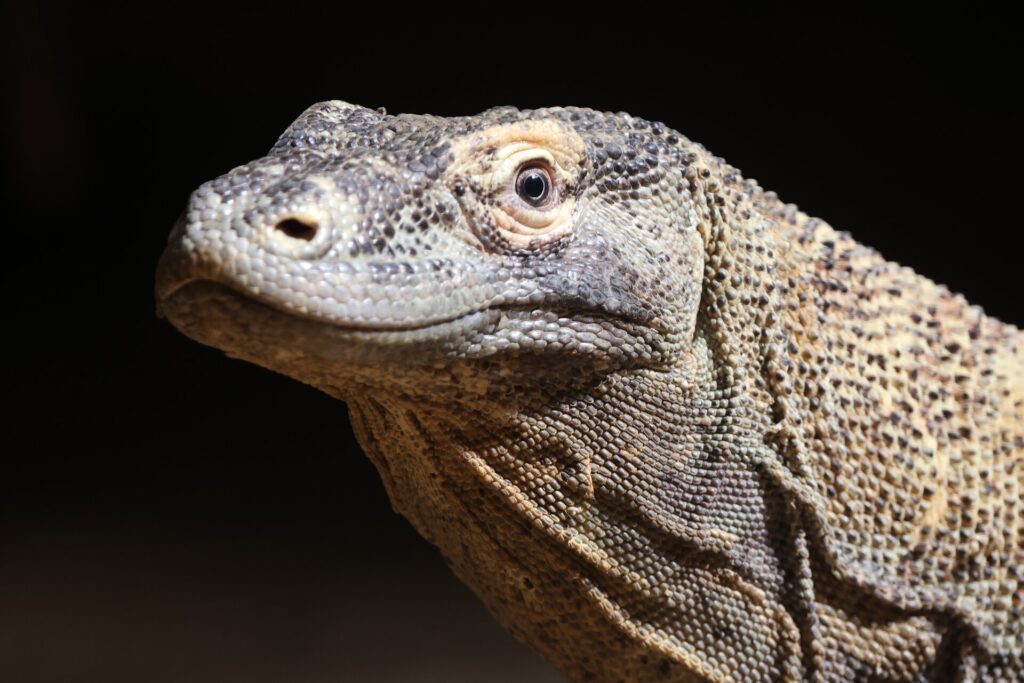
Komodo Dragons at Pink Beach — Complete Wildlife Encounter Guide
One of the most remarkable things about Pink Beach Komodo is that you can see wild Komodo dragons while visiting a pink sand beach — an impossible combination anywhere else on Earth. Here’s everything you need to know about Komodo dragon encounters at and near Pink Beach.
Does Pink Beach Have Komodo Dragons?
Yes! Pink Beach is located on Komodo Island — one of only three islands in the world where Komodo dragons live in the wild (along with Rinca and Gili Motang). Dragons are regularly seen on and around Pink Beach, particularly in the rocky hillside areas and near the boat parking area. Morning sightings (8–10am) are most common as dragons bask in the sun after cool nights.
Komodo Dragon Facts for Visitors
Size & Strength
- Length: Up to 3 meters
- Weight: Up to 70 kg
- Running speed: 20 km/h (short bursts)
- Swimming: Strong swimmers
- Lifespan: Up to 30 years
Senses & Hunting
- Smell: Detects prey 9.5km away
- Tongue: Samples air particles
- Vision: Good up to 300m
- Diet: Deer, pigs, goats, carrion
- Venom: Anticoagulant glands
Population Status
- Total population: ~3,000
- Status: Endangered (IUCN)
- Protected since: 1980
- Main islands: Komodo, Rinca, Gili Motang
- Park established: 1980, UNESCO 1991
Will a Human Survive a Komodo Dragon Bite?
With prompt medical treatment, yes. Komodo dragon bites are dangerous due to: (1) massive mechanical damage from serrated teeth, (2) venom that prevents blood clotting, (3) bacteria-rich saliva. Without treatment, infection and blood loss can be fatal. Tourists who receive immediate medical care have all survived documented bites. The chance of a bite as a tourist following ranger rules is extremely low — possibly one in several million visits.
Best Places to See Komodo Dragons Near Pink Beach
- Pink Beach hillside trail — Dragons often seen basking on rocks above the beach
- Loh Liang Ranger Station, Komodo Island — Main viewing area, guided treks (1, 2, and long trail options)
- Rinca Island — Often better dragon encounters, 3x more visitors see dragons here vs Komodo Island
- Gili Motang — Remote island, fewer tourists, authentic dragon sightings
See Wild Komodo Dragons at Pink Beach
All our tours include the Komodo dragon trek with a licensed ranger escort
Book Dragon Trek Tour →